Complete Guide to Buying Tiles in Singapore
Where to shop, what to look for, and how to calculate the right quantity
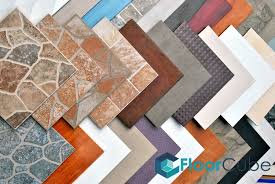
Where to Buy Tiles in Singapore The main tile shopping destinations are along Jalan Boon Lay, Defu Lane, and Kaki Bukit. These industrial areas house dozens of tile showrooms where you can see full displays and compare prices. Popular tile shops include Hafary, Hin Hua, Ricco Tiles, and Mytt. Each carries different ranges and price points. Visit at least 3 shops before deciding. Online shopping for tiles is possible but not recommended for your first purchase. Colors and textures look different on screen compared to real life. Always see and touch samples before committing. Types of Tiles for Different Areas Porcelain tiles are the most versatile. Use them for floors and walls in any room. They are water-resistant, durable, and available in hundreds of designs. Price: $3-15 per sqft. Ceramic tiles are lighter and easier to cut but less durable than porcelain. Suitable for walls but not recommended for high-traffic floor areas. Price: $2-8 per sqft. Homogeneous tiles are porcelain tiles with consistent color throughout the body. If they chip, the color underneath matches the surface. Great for high-traffic areas. Price: $5-20 per sqft. Natural stone tiles like marble and granite are premium options. They require sealing and more maintenance. Price: $15-50 per sqft. How to Calculate Quantity Measure the floor area in sqm (length x width). Add 10% for cutting waste. For complex layouts or diagonal patterns, add 15%. For wall tiles, measure each wall separately (height x width) and subtract window and door openings. Always buy 5-10% extra for future repairs. Tile batches vary in shade, so replacements from a new batch may not match perfectly. Store spare tiles in a dry place. What to Check Before Buying Verify the tile grade. Grade A tiles have no defects. Grade B may have minor imperfections and are sold at a discount. Ensure all boxes are the same batch number for consistent color. Check the slip rating for floor tiles. R9 is the minimum for dry indoor areas. R10 or R11 is recommended for bathrooms and kitchens. Ask about rectified vs non-rectified tiles. Rectified tiles have precise machine-cut edges allowing for thinner grout lines (1-2mm). Non-rectified tiles need wider grout lines (3-5mm).
Planning a renovation?
Get matched with vetted firms that fit your budget and style — free.
Get matched