Electrical Planning: Power Points, Lighting, and Safety
How many power points you actually need and where to place them for maximum convenience
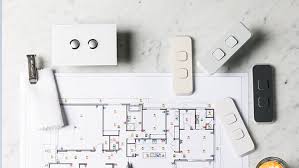
Electrical Planning for Your Renovation Insufficient power points and poor electrical planning are among the most common renovation regrets. It is much cheaper to add points during renovation than after. How Many Power Points Do You Need Living Room: 8-12 points. Behind the TV console (4 points for TV, soundbar, game console, streaming device), beside the sofa (2 points for phone charging and lamp), near the study corner (2-4 points), and a general purpose point near the entrance. Master Bedroom: 6-8 points. Two on each side of the bed for phone charging and bedside lamps. Behind the TV or dressing table area (2-3 points). One near the wardrobe for a dehumidifier or steamer. Kitchen: 8-12 points. Along the backsplash for small appliances like kettle, toaster, blender, and rice cooker (4-6 points). Under the counter for built-in oven, dishwasher, and microwave (2-3 points). Dedicated points for fridge and washing machine. Bathroom: 2-3 points. One near the vanity mirror for hair dryer and electric toothbrush. One for a water heater (if instant type). Use waterproof covers for all bathroom power points. Planning Tips Mark every power point location on your floor plan before renovation begins. Walk through each room and simulate your daily routine. Where do you charge your phone at night? Where does the router go? Where will you plug in the vacuum cleaner? Install power points 300mm above the floor for general use and 1,000mm above the floor for kitchen counter use. Consider USB power points ($15-25 per point) at bedside locations and in the study area. Electrical Safety Ensure your electrical panel (DB box) is upgraded if you are in an older flat. Modern panels have individual circuit breakers and residual current devices (RCD) that protect against electric shock. Use a dedicated circuit for high-power appliances: aircon, water heater, oven, and washer-dryer. This prevents overloading and tripping. All bathroom electrical work must be done by a licensed electrician. Power points must be at least 600mm from the shower area and fitted with waterproof covers. Consider installing a whole-house surge protector ($100-200) in the DB box to protect your electronics from power surges.
Planning a renovation?
Get matched with vetted firms that fit your budget and style — free.
Get matched