How to Create a Kid-Friendly Home During Renovation
Safety features and design choices that work for growing families
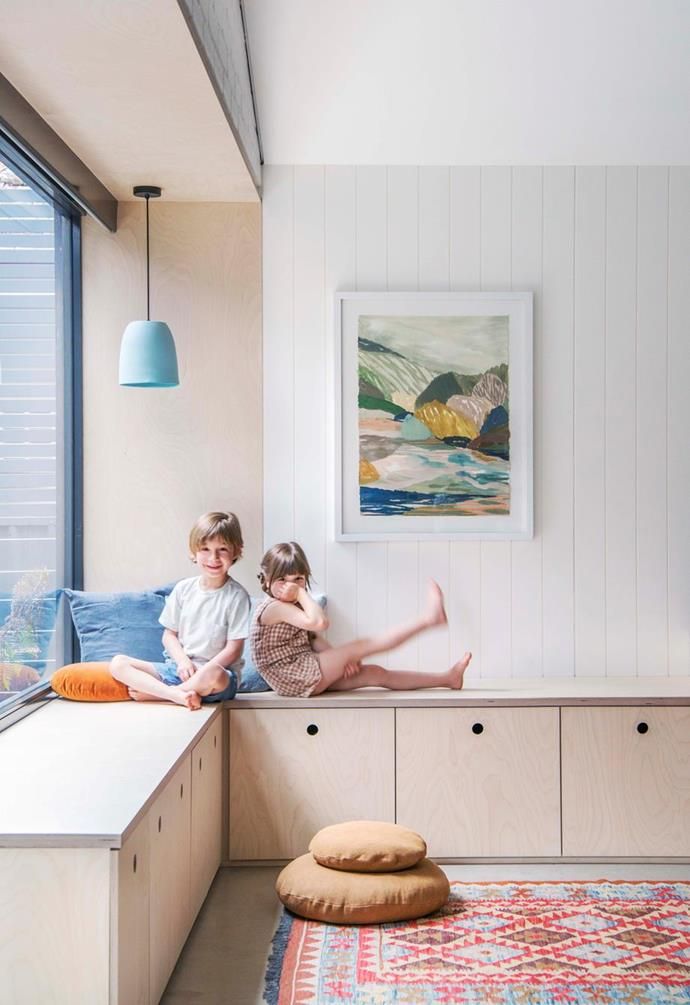
Designing Homes for Families with Children If you have young children or plan to start a family, your renovation decisions today will affect daily life for years. Think long term. Safety First All sharp corners on built-in carpentry should be rounded. This applies to TV consoles, shoe cabinets, kitchen islands, and bedside tables. The cost difference for rounded edges is minimal but it prevents countless bumps and bruises. Power point covers or safety shutters prevent curious fingers from poking into sockets. Most modern power points come with built-in shutters. For older installations, plug-in covers cost under $1 each. Window grilles are mandatory for homes with young children. Install them in every room, not just bedrooms. Choose designs that cannot be climbed. Staircase railings in maisonettes should have vertical balusters spaced no more than 100mm apart. Horizontal railings can be used as a ladder by children. Flooring Vinyl flooring is softer and warmer than tiles, reducing injury from falls. This is especially relevant for toddlers who are learning to walk. Avoid polished marble or glossy tiles in play areas. They become slippery when wet from spills. Storage and Organisation Children accumulate toys and belongings quickly. Plan generous storage in their room and the living area. Open cubbies and bins at child height encourage kids to put things away themselves. Label bins with pictures for younger children. A dedicated play corner in the living room with accessible storage keeps toys contained and the rest of the home tidy. Furniture Choices Washable fabrics for sofas and dining chairs save enormous hassle. Leather and microfiber are the easiest to clean. A dining table with a durable, stain-resistant surface handles art projects, homework, and messy meals without worry. Avoid glass coffee tables and glass display shelves when children are young. Future-Proofing Design the children's room to grow with them. A study desk and bookshelf that serves a primary school child should also work for a teenager. Neutral wall colors can be personalized with removable wall decals and posters. Consider a bunk bed or loft bed design if siblings will share a room. This frees up floor space for play and study areas.
Planning a renovation?
Get matched with vetted firms that fit your budget and style — free.
Get matched