Mold and Mildew Prevention in Singapore Homes
Why mold is common in tropical climates and how to prevent it through renovation choices
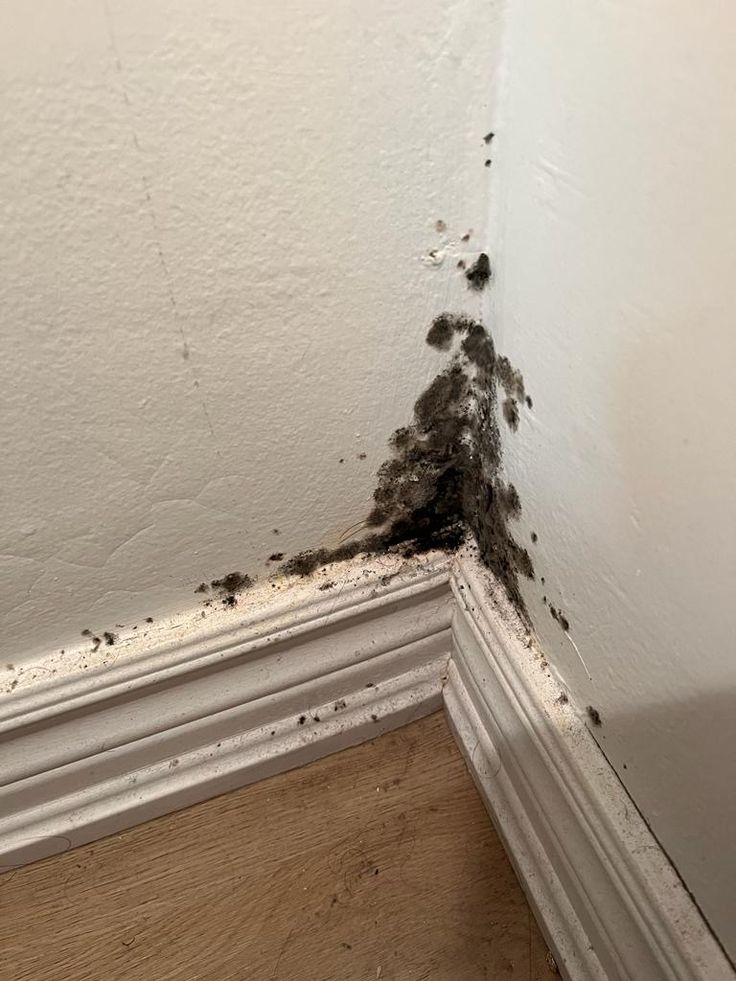
Dealing with Mold in Singapore Singapore's average humidity of 80-90% creates ideal conditions for mold growth. Once established, mold is difficult to eliminate and can cause health problems including allergies and respiratory issues. Where Mold Commonly Appears Bathroom ceilings and walls, especially in poorly ventilated bathrooms without windows. Behind wardrobes and furniture placed against external walls. Condensation forms between the cool wall and the warm furniture. Inside shoe cabinets and storage areas with no ventilation. Around window frames where condensation accumulates. On the underside of mattresses placed directly on platform beds without ventilation gaps. Renovation Choices That Prevent Mold Use anti-mold paint for bathrooms and kitchens. Brands like Nippon and Dulux offer paint with anti-bacterial and anti-fungal properties. Cost is only $5-10 more per can than standard paint. Install exhaust fans in every bathroom, especially windowless ones. Run the fan for at least 15 minutes after showering. Consider a timer-controlled fan that runs automatically. Leave a 50mm gap between wardrobes and external walls. This allows air circulation and prevents condensation buildup. Choose moisture-resistant materials for bathroom carpentry. Marine plywood with proper laminate sealing is essential. Never use MDF or particle board in wet areas. Platform beds should have ventilation holes or gaps in the platform surface. A solid platform traps moisture under the mattress. Ensure proper waterproofing in bathrooms. Water seeping through grout and behind tiles creates hidden mold growth inside walls. Daily Habits That Help Wipe down bathroom walls and glass after showering. A squeegee takes 30 seconds and removes most moisture. Open windows when possible to allow cross-ventilation. Even 30 minutes of fresh air daily makes a difference. Use a dehumidifier in rooms that feel damp. Small units for bedrooms cost $100-300. Do not dry laundry indoors in enclosed rooms. The moisture from wet clothes raises humidity significantly. Check behind furniture periodically, especially pieces against external walls. If Mold Has Already Appeared For small areas, clean with a mixture of one part white vinegar to one part water. Spray on the affected area, let it sit for 30 minutes, then wipe clean. For larger areas or persistent mold, use a commercial mold remover. Wear a mask and gloves. If mold keeps returning in the same spot, the underlying cause (poor ventilation, water leak, condensation) must be addressed. Simply cleaning the surface without fixing the cause means the mold will return.
Planning a renovation?
Get matched with vetted firms that fit your budget and style — free.
Get matched